
Army Sergeant’s Botched Espionage: Secrets, AI, and the China Connection
Failed espionage & AI-powered spam are highlights of today’s security news. Stay informed! #Cybersecurity #AI #Infosec
Failed espionage & AI-powered spam are highlights of today’s security news. Stay informed! #Cybersecurity #AI #Infosec

Are hyperscalers truly sovereign? New cloud services from giants complicate data privacy. Find out if your data is truly protected! #SovereignCloud #Hyperscalers #DataPrivacy
Boost productivity and streamline your life! Discover the power of Gemini Live for work, communication, and beyond! #GeminiLive #AIforLife #WorkSmarter

Worried about AI & Slack data privacy? Salesforce just changed the rules! Learn how it impacts AI apps & your data security.#SlackAPI #LLMs #DataPrivacy

EU’s cloud dilemma: Balancing sovereignty with innovation. Discover how hybrid & multi-cloud strategies offer the best of both worlds! #CloudComputing #EUCloud #DigitalSovereignty

Want to automate HR & finance? Workday’s Agent Gateway connects AI agents to streamline business processes! Learn more.#Workday #AIAgents #EnterpriseAI
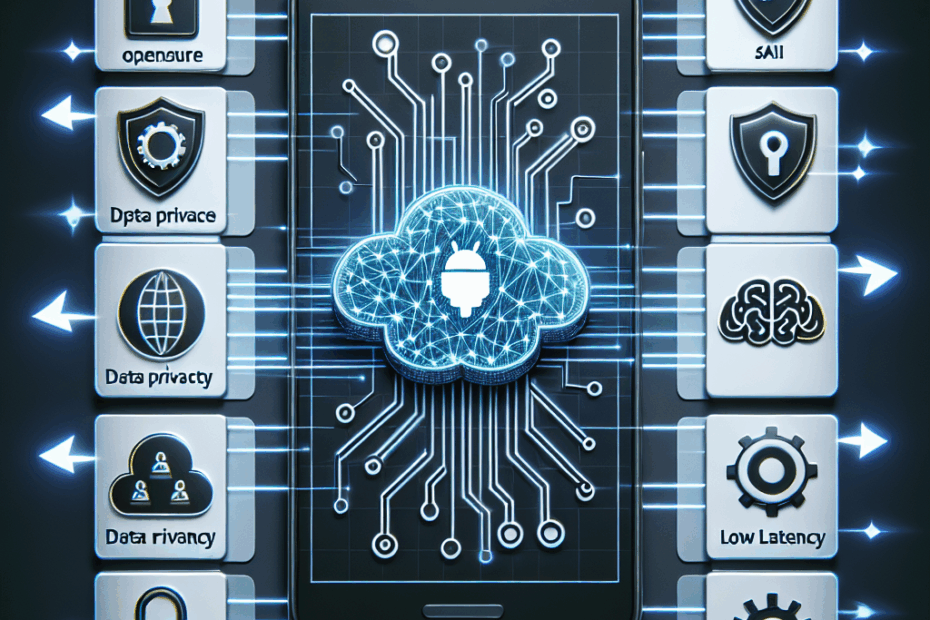
On-device AI is here! Google’s AI Edge Gallery allows you to run advanced AI models directly on your Android device! No cloud connection needed. #AIEdge #OfflineAI #AndroidAI
AI is everywhere! Learn essential skills to thrive in an AI-powered world and future-proof your career. #AILiteracy #AIskills #FutureofWork

Big news! Salesforce buys Informatica in an $8B deal to fuel AI. Automate complex processes & make more reliable decisions! #SalesforceAI #InformaticaAcquisition #AIData

AI is evolving fast! Google’s I/O 2025 unveiled the future, with AI companions, deep thinking models, and AI-powered tools for creativity. Get ready! #GoogleIO #AI #Innovation