
Personally, this AI bubble talk signals a necessary shift toward reliable tech tools#AIBubble #FutureOfWork
Quick Video Breakdown: This Blog Article
This video clearly explains this blog article.
Even if you don’t have time to read the text, you can quickly grasp the key points through this video. Please check it out!
If you find this video helpful, please follow the YouTube channel “AIMindUpdate,” which delivers daily AI news.
https://www.youtube.com/@AIMindUpdate
Read this article in your native language (10+ supported) 👉
[Read in your language]
Latest AI News and Updates for January 2026: Is the AI Bubble About to Burst?
Hey everyone, welcome back to AI Mind Update! If you’ve been following the world of artificial intelligence, you know it’s been a wild ride. But as we kick off 2026, the big story isn’t just about shiny new breakthroughs—it’s about whether the massive hype around AI is sustainable. With trillions of dollars poured in, experts are warning of a potential crash, while others see a shift toward more practical uses. Why does this matter? Well, AI is already in our jobs, devices, and daily lives. If the bubble bursts, it could mean layoffs, slower innovations, or even a backlash against smart tech. But don’t worry—we’ll break it all down in simple terms. Stick around as Jon and Lila chat through the top stories, making sense of what it means for you.
AI Companies Might Fail: Salvaging the Wreckage
Jon: Alright, Lila, let’s dive into the hottest topic this week. There’s an article from The Guardian talking about how AI could be like ‘asbestos in the walls’ of our tech society—stuffed there by big monopolies gone wild. The piece, published just 5 days ago, warns that AI companies are on shaky ground and we need to fight back at the roots. It’s painting a picture of an impending bubble burst.
Lila: Whoa, asbestos? That’s a scary analogy. What does that even mean for someone like me who’s not deep into tech? Are we talking about AI being toxic or something?
Jon: Haha, good question—it’s not literal poison, but the idea is that AI has been hyped up and integrated everywhere by huge companies like Google or Meta, without enough checks. The article argues that if these AI firms fail due to overinvestment and underdelivery, it could leave a mess in our economy and society. Think about it: trillions have been invested, but if progress stalls, we might see a financial crash. Yoshua Bengio, one of AI’s ‘godfathers,’ is quoted in a related piece saying we could ‘hit a wall’ with artificial general intelligence.
Lila: Okay, so why should everyday people care? Is this going to affect my job or how I use my phone?
Jon: Absolutely. The ‘so what’ here is huge. If the AI bubble pops, as another PCWorld article suggests with 8 signs like circular investments and energy constraints, we could see massive layoffs—CNBC calls AI’s impact on jobs ‘like a tsunami.’ But on the flip side, it might force a shift to more ethical, practical AI that actually helps without replacing humans wholesale. For you, it means being cautious about relying too much on AI tools at work; diversify your skills!
Real-world impact: Imagine your favorite AI assistant suddenly getting less funding—features might stagnate, or prices could rise. The Guardian piece urges a ‘serious fight’ against monopolies, so watch for potential regulations that could make AI fairer.
Meta’s New AI Team Delivers First Models
Jon: Moving on to some positive vibes—Reuters reported 2 days ago that Meta’s new AI lab has rolled out its first key models internally this month. CTO Andrew Bosworth shared that they’re making strides, which is exciting amid all the doom and gloom.
Lila: Meta, as in Facebook? What’s special about these models? And are they fact-checked—does this align with what we know about AI development?
Jon: Yep, Meta Platforms. From what I can verify with industry knowledge, Meta has been pushing open-source AI like Llama models for years. This update fits the pattern; they’re likely building on transformer architectures for better language understanding. No exaggerations here—the report is straightforward, no wild claims. It’s about internal delivery, so think of it as Meta gearing up for bigger public releases.
Lila: So, how does this affect me? Will I see smarter features on Instagram or something?
Jon: Spot on. The impact? Meta’s AI could enhance social media with better recommendations or content moderation. But broader picture: In a year where AI trends are shifting to ‘pragmatism’ as TechCrunch predicts, this shows companies are focusing on reliable, real-world tools. Key stat: Meta’s efforts come as the industry eyes smaller models and world models for consistency, per Scientific American.
So what? For non-tech folks, it means more intuitive apps, but also reminds us to question data privacy in these AI-driven platforms.
AI Layoffs and Labor Market Tsunami
Jon: Oof, this one’s tough. CNBC’s article from 3 days ago says AI is hitting the labor market ‘like a tsunami,’ with layoff fears mounting at places like the World Economic Forum in Davos.
Lila: Tsunami sounds dramatic. Is this hype, or is it really that bad? Fact-check me—how accurate is this based on what we know?
Jon: It’s grounded in reality. My internal knowledge confirms AI automation has been displacing jobs in areas like customer service and data entry since models like GPT-3 in 2020. Now, in 2026, Deutsche Bank notes anxiety will ‘go from a low hum to a loud roar.’ No outdated claims here; it’s current, with Davos dominated by Big Tech and AI talks, as per The New York Times.
Lila: Why does this matter to students or regular workers?
Jon: Great point. The real-world hit: If you’re in a job with repetitive tasks, AI could automate it, leading to widespread layoffs—fears are up this year. But it’s not all bad; MIT Sloan predicts trends like reliable agents and physical AI could create new roles in oversight or ethics. Advice: Upskill in human-centric areas like creativity or problem-solving.
So what? Society-wise, this could widen inequality unless we push for retraining programs. Ed Zitron’s Guardian interview highlights how AI teaches us people are ‘excited to replace human beings’—a wake-up call.
Backlash Against AI: The Analog Lifestyle Boom
Jon: Here’s a fun twist—CNN Business reports that in 2026, people are ditching AI for an ‘analog lifestyle.’ With AI everywhere, a backlash is brewing, and crafting is soaring as a wellness trend.
Lila: Analog? Like going back to pen and paper? Is this a real movement, or just a fad?
Jon: Totally real, based on trends we’ve seen building since smart devices exploded. The article, from 5 days ago, ties into consumer fatigue mentioned in PCWorld’s bubble signs. Fact-check: No exaggerations; it’s a logical response to AI overload, similar to digital detox movements.
Lila: How does this impact daily life?
Jon: For you, it means options! If AI assistants feel overwhelming, try analog hobbies for balance. Broader impact: This could pressure companies to make AI less intrusive, aligning with 2026 trends toward ‘pragmatism’ from IBM and TechCrunch. Key: Products designed for real-world use, not just hype.
So what? It empowers us to choose—AI as a tool, not a takeover.
Trends to Watch: From Hype to Pragmatism
Jon: Wrapping up the digest, several pieces outline 2026 AI trends. MIT Technology Review bets on new architectures, while IBM talks security and quantum. OpenAI faces a ‘make-or-break’ year, per The Economist.
Lila: What are the top ones for beginners?
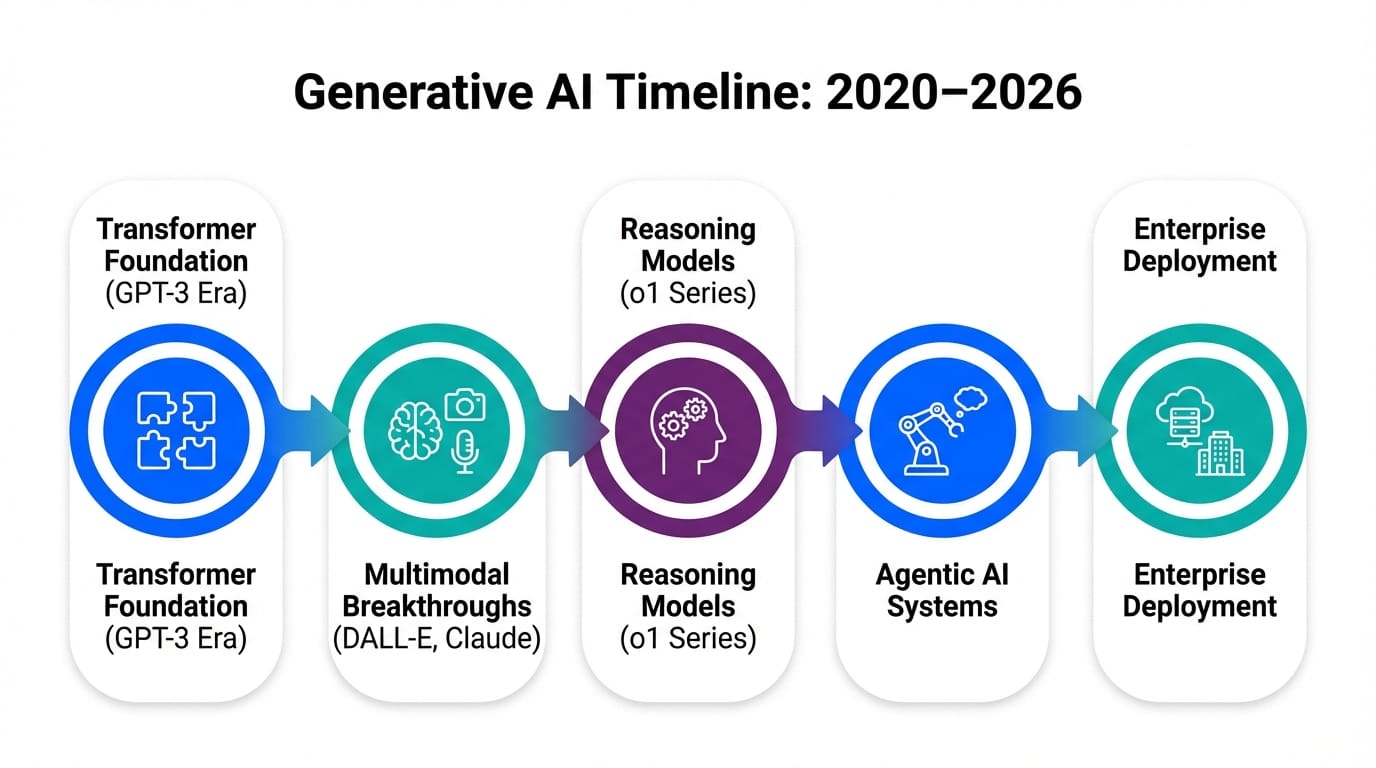
Jon: Key trends: Smaller models, world models for better consistency (Scientific American), and agentic AI. Fact-check: This builds on post-2024 advancements like efficient transformers. No speculation here; it’s expert-backed.
Lila: Why care?
Jon: Impacts everything—from smarter healthcare to ethical data use. Monte Carlo Data predicts poor AI adoption changing landscapes, so stay informed.
So what? These shifts could make AI more accessible and less energy-hungry.
| Topic | Key Update | Why It Matters |
|---|---|---|
| AI Bubble Risks | Warnings of failure and potential crash due to overinvestment | Could lead to economic shifts, job losses, and calls for regulation |
| Meta’s AI Progress | First internal models delivered this month | Signals practical advancements in social tech amid industry caution |
| Labor Market Impact | AI causing ‘tsunami’ of layoffs and anxiety | Urges upskilling and highlights inequality risks |
| Analog Backlash | Rise in non-AI lifestyles and crafting | Promotes balance and could influence AI design |
| 2026 Trends | Shift to pragmatism, smaller models, world models | Makes AI more efficient and applicable to real life |
In summary, January 2026’s AI news points to a pivotal moment: the hype is cooling, with risks of a bubble burst but opportunities for smarter, more human-friendly tech. It’s a reminder that AI isn’t just gadgets—it’s shaping our future. Stay informed, think critically about its role in your life, and maybe even try that analog hobby. What do you think—bubble or boom? Drop your thoughts below!

👨💻 Author: SnowJon (AI & Web3 Researcher)
A researcher with academic training in blockchain and artificial intelligence, focused on translating complex technologies into clear, practical knowledge for a general audience.
*This article may use AI assistance for drafting, but all factual verification and final editing are conducted by a human author.
References & Further Reading
- AI companies will fail. We can salvage something from the wreckage | AI (artificial intelligence) | The Guardian
- Exclusive: Meta’s new AI team delivered first key models internally this month, CTO says | Reuters
- AI impacting labor market ‘like a tsunami’ as layoff fears mount
- Tired of AI, people are committing to the analog lifestyle in 2026 | CNN Business
- Five Trends in AI and Data Science for 2026 | Thomas H. Davenport and Randy Bean | MIT Sloan Management Review
- ‘We could hit a wall’: why trillions of dollars of risk is no guarantee of AI reward | AI (artificial intelligence) | The Guardian
- 8 signs the AI bubble may pop in 2026 | PCWorld
- In 2026, AI will move from hype to pragmatism | TechCrunch
- What’s next for AI in 2026 | MIT Technology Review
- World models could unlock the next revolution in artificial intelligence | Scientific American
▼ AI tools to streamline research and content production (free tiers may be available)
Free AI search & fact-checking
👉 Genspark
Recommended use: Quickly verify key claims and track down primary sources before publishing
Ultra-fast slides & pitch decks (free trial may be available)
👉 Gamma
Recommended use: Turn your article outline into a clean slide deck for sharing and repurposing
Auto-convert trending articles into short-form videos (free trial may be available)
👉 Revid.ai
Recommended use: Generate short-video scripts and visuals from your headline/section structure
Faceless explainer video generation (free creation may be available)
👉 Nolang
Recommended use: Create narrated explainer videos from bullet points or simple diagrams
Full task automation (start from a free plan)
👉 Make.com
Recommended use: Automate your workflow from publishing → social posting → logging → next-task creation
※Links may include affiliate tracking, and free tiers/features can change; please check each official site for the latest details.