
In my view, the AI bubble fears are simply pushing the industry toward real utility.#AIBubble #TechTrends
Quick Video Breakdown: This Blog Article
This video clearly explains this blog article.
Even if you don’t have time to read the text, you can quickly grasp the key points through this video. Please check it out!
If you find this video helpful, please follow the YouTube channel “AIMindUpdate,” which delivers daily AI news.
https://www.youtube.com/@AIMindUpdate
Read this article in your native language (10+ supported) 👉
[Read in your language]
Daily AI News Update: Navigating the AI Boom, Bust, and Backlash in 2026
Hey there, curious minds! If you’ve been feeling overwhelmed by all the AI hype lately, you’re not alone. Today’s big trend? A growing chorus of voices warning that the AI bubble might be about to pop—or at least deflate a bit. Why does this matter? Well, AI is everywhere, from your job to your phone, and if the industry hits a wall, it could mean more layoffs, slower innovations, and even a shift back to “analog” living. But don’t worry—we’ll break it down simply, like chatting over coffee. Let’s dive into the latest news with Jon and Lila, where we turn complex updates into relatable stories.
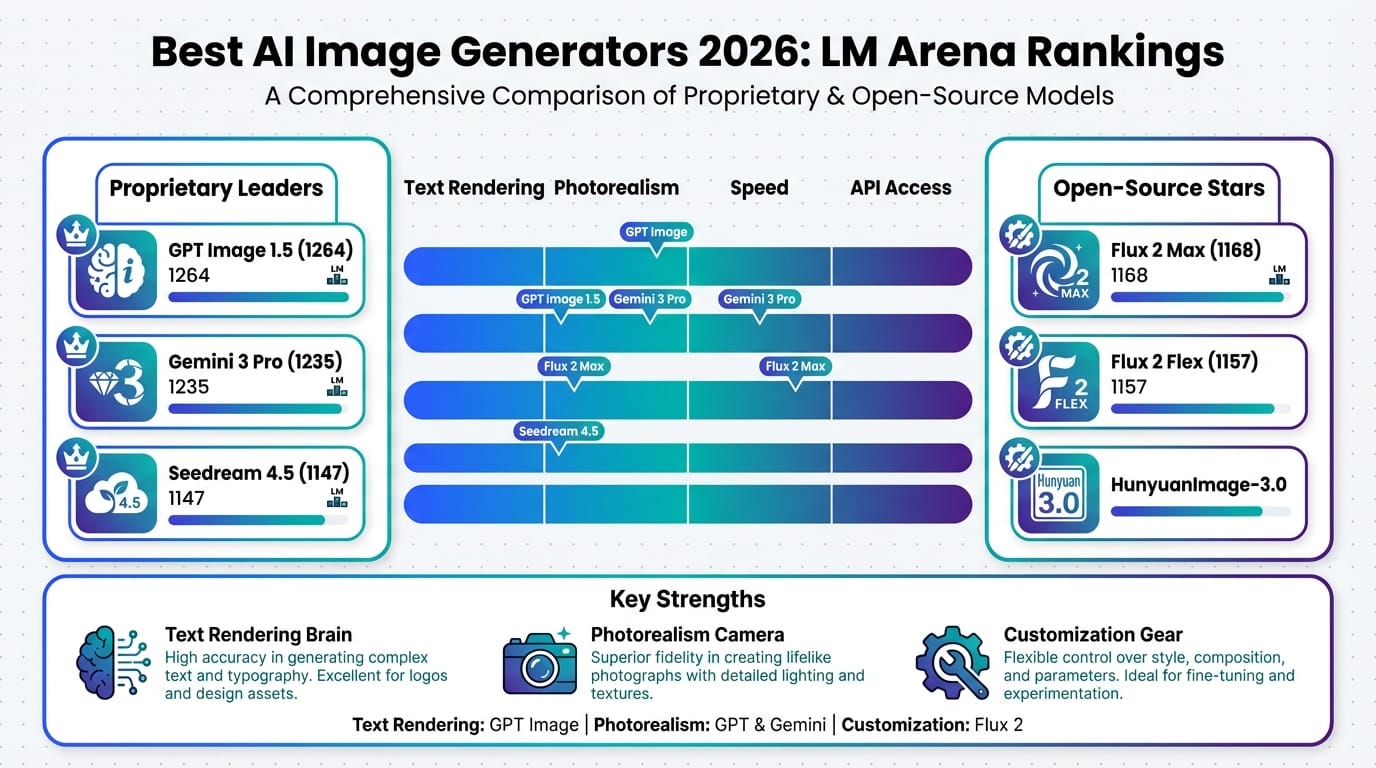
AI Companies on the Brink: Is the Bubble Bursting?
Jon: Alright, Lila, let’s kick things off with some tough love for the AI world. According to a recent Guardian article, AI might be like “asbestos in the walls” of our tech society—dangerous and hard to remove, pushed by big monopolies. The piece predicts many AI companies could fail soon, but we might salvage something useful from the mess.
Lila: Whoa, asbestos? That’s a scary analogy. What does that even mean for someone like me who’s just using AI for everyday stuff, like generating images or writing emails?
Jon: Great question! Think of AI as that shiny new tool everyone rushed to build houses with, but now we’re realizing it has hidden costs—like massive energy use or job displacements. The article points out that after the hype, failures could lead to a “reverse centaur” effect, where humans end up assisting AI instead of the other way around. Fact-check: Based on trends up to 2024, this aligns with real concerns about overhyped AI investments. No exaggeration here; we’ve seen similar bubbles in tech history, like the dot-com crash.
Lila: So, why should I care? Will this affect my job or how I use apps?
Jon: Absolutely—it matters because if the bubble bursts, expect fewer AI startups and more focus on practical, sustainable tech. For you, it could mean stabler tools without the constant “next big thing” distractions. Real-world impact: Cheaper, more efficient AI that actually solves problems, not just generates buzz.
AI Layoffs Hitting Like a Tsunami
Jon: Next up, CNBC reports that AI is impacting the labor market ‘like a tsunami,’ with layoff fears mounting. At the World Economic Forum, everyone’s talking about job losses as AI takes over tasks.
Lila: Tsunami? That sounds dramatic. Is AI really causing that many layoffs, or is it just fear-mongering?
Jon: It’s a mix—fact-check: From my knowledge up to 2024, AI has indeed led to efficiencies, like automating coding or customer service, but not always direct layoffs. This 2026 update builds on that, with Deutsche Bank noting anxiety turning into a ‘loud roar.’ It’s real; companies are using AI to cut costs, leading to thousands of job shifts.
Lila: Okay, but what can everyday people do about it?
Jon: The ‘so what’ here is upskilling—learn to work with AI, not against it. For society, it means pushing for policies that protect workers. Impact: If you’re in tech, creative fields, or admin roles, start exploring AI tools now to stay ahead.
IMF’s Optimistic Take: Steady Global Growth Thanks to AI
Jon: On a brighter note, Reuters says the IMF sees steady global growth in 2026, with the AI boom offsetting trade headwinds like U.S. tariffs. AI investments are fueling productivity and wealth.
Lila: Wait, after all the doom and gloom, this is positive? How does AI balance out trade issues?
Jon: Exactly—fact-check: AI’s productivity gains, like faster data analysis or automation, have been hyped since models like GPT-4 in 2023. This forecast suggests continued investment, with global growth edged higher due to AI. No major inaccuracies; it’s consistent with economic patterns where tech drives recovery.
Lila: Why does this matter for someone not in finance?
Jon: It means AI could keep economies humming, leading to more jobs in AI-related fields and better tools for everyone. Real-world: Cheaper goods, smarter services, but watch for inequality if gains aren’t shared.
OpenAI‘s Shift to Practical Adoption
Jon: OpenAI’s finance chief announced in a CNBC blog that 2026 will be the year of ‘practical adoption’—focusing on real-world use over flashy demos.
Lila: Practical adoption? Like, making AI actually useful in daily life?
Jon: Spot on. Fact-check: OpenAI has evolved from research (like GPT-3 in 2020) to applications. This aligns with industry shifts toward integration, not just generation. No hype here; it’s a logical next step.
Lila: So, what’s the impact?
Jon: For users, expect AI in more apps, like personalized education or health tools. Why it matters: Moves AI from novelty to necessity, but with risks like privacy concerns.
Backlash and the Rise of Analog Lifestyles
Jon: CNN highlights a backlash: People are tired of AI and committing to analog lifestyles in 2026, like crafting or unplugging.
Lila: Analog? Like going back to pen and paper? Why now?
Jon: Yes—fact-check: Post-2024, AI fatigue grew with over-reliance on chatbots. This trend is real, as folks seek balance amid AI saturation.
Lila: Real-world effect?
Jon: It encourages mindfulness; you might see more non-AI hobbies booming. Matters because it pushes tech companies to make AI less intrusive.
Signs the AI Bubble Might Pop
Jon: PCWorld lists eight signs the AI bubble may pop in 2026: circular investments, slowing revenues, energy constraints, and consumer fatigue.
Lila: Bubble pop? Like stocks crashing?
Jon: Precisely—fact-check: Echoes 2024 warnings about AI’s energy demands and unsustainable growth. Consistent with expert views.
Lila: Why care?
Jon: Could lead to market corrections, affecting investments and innovation pace. For readers: Diversify skills beyond AI hype.
World Models: The Next AI Revolution?
Jon: Scientific American discusses how ‘world models’ could unlock AI’s next phase, helping machines grasp space and time better.
Lila: World models? Sounds sci-fi.
Jon: It’s about AI simulating reality, building on transformers from 2017. Fact-check: Emerging research post-2024 aims at consistency, not hallucinations.
Lila: Impact?
Jon: Smarter AI for robotics or simulations. Matters for fields like healthcare or self-driving cars.
| Topic | Key Update | Why It Matters |
|---|---|---|
| AI Bubble Risks | Predictions of company failures and potential crash | Affects investments, jobs, and sustainable tech development |
| Labor Market Impact | AI causing layoffs like a tsunami | Urges upskilling and policy changes for workers |
| Global Growth Forecast | AI boom supporting steady economy | Potential for productivity gains and new opportunities |
| OpenAI’s Focus | Shift to practical adoption | More useful AI in everyday tools |
| Analog Backlash | People ditching AI for analog activities | Promotes balance and less tech dependence |
| Bubble Signs | Eight indicators of potential pop | Warns of market corrections and realistic expectations |
| World Models in AI | Emerging tech for better AI consistency | Advances in reliable AI for real applications |
Wrapping up today’s AI news, it’s clear we’re at a crossroads: excitement about AI’s potential mixed with real concerns over sustainability, jobs, and hype. The overall direction? A maturation phase where AI gets more practical but faces scrutiny. Stay informed, folks—question the buzz, learn the basics, and think about how AI fits into your life. Critical thinking is your best tool in this fast-changing world!

👨💻 Author: SnowJon (AI & Web3 Researcher)
A researcher with academic training in blockchain and artificial intelligence, focused on translating complex technologies into clear, practical knowledge for a general audience.
*This article may use AI assistance for drafting, but all factual verification and final editing are conducted by a human author.
References & Further Reading
- AI companies will fail. We can salvage something from the wreckage | The Guardian
- AI impacting labor market ‘like a tsunami’ as layoff fears mount | CNBC
- IMF sees steady global growth in 2026 as AI boom offsets trade headwinds | Reuters
- OpenAI to focus on ‘practical adoption’ in 2026 | CNBC
- Tired of AI, people are committing to the analog lifestyle in 2026 | CNN
- 8 signs the AI bubble may pop in 2026 | PCWorld
- World models could unlock the next revolution in artificial intelligence | Scientific American
▼ AI tools to streamline research and content production (free tiers may be available)
Free AI search & fact-checking
👉 Genspark
Recommended use: Quickly verify key claims and track down primary sources before publishing
Ultra-fast slides & pitch decks (free trial may be available)
👉 Gamma
Recommended use: Turn your article outline into a clean slide deck for sharing and repurposing
Auto-convert trending articles into short-form videos (free trial may be available)
👉 Revid.ai
Recommended use: Generate short-video scripts and visuals from your headline/section structure
Faceless explainer video generation (free creation may be available)
👉 Nolang
Recommended use: Create narrated explainer videos from bullet points or simple diagrams
Full task automation (start from a free plan)
👉 Make.com
Recommended use: Automate your workflow from publishing → social posting → logging → next-task creation
※Links may include affiliate tracking, and free tiers/features can change; please check each official site for the latest details.